

Understanding Trading Margin Crypto Strategies and Risks
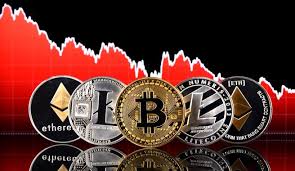
Understanding Trading Margin Crypto: Strategies and Risks
The cryptocurrency market is flooded with opportunities and risks, making it an exciting field for traders. One of the methods that traders often use to maximize their profits is through Trading Margin Crypto. However, with great potential rewards come significant risks. In this article, we will delve into what margin trading is, how it works in the context of cryptocurrencies, and the strategies that can help you mitigate risks while maximizing returns. For more detailed insights on choosing the right crypto strategies, Trading Margin Crypto click here.
What is Margin Trading?
Margin trading involves borrowing funds from a broker to trade assets, enabling traders to leverage their positions. In cryptocurrency trading, this means using borrowed funds to increase the size of your trade beyond your available capital. For instance, if you have $1,000 and you use 2x leverage, you can control a position worth $2,000. This potent mix of potential for high rewards also entails a proportional increase in risk.
How Does Margin Trading Work in Crypto?
Margin trading in crypto follows a similar framework as traditional margin trading in stocks. The process typically involves the following steps:
- Opening a Margin Account: Traders must open a margin account with a broker or exchange that offers margin trading. This account is distinct from a traditional trading account.
- Funding your Account: To start margin trading, the trader must deposit a minimum amount of collateral. This collateral acts as a safety net for the broker in case the trade goes against the trader.
- Choosing a Leverage Ratio: Traders can choose their desired leverage ratio based on their risk tolerance. Options can range from 2x to 100x leverage, but higher leverage increases the risk of losing your entire investment.
- Executing Trades: Once the account is funded, traders can execute buy or sell orders. If a trader believes a cryptocurrency’s price will increase, they may open a long position; conversely, if they expect a price decrease, a short position can be opened.
- Liquidation Risk: If the market moves unfavorably against the trader’s position, the broker has the right to liquidate the position to recover the borrowed funds, which can occur rapidly in volatile markets.

Risks Involved in Margin Trading Crypto
While margin trading can amplify profits, it also increases potential losses. Several risks should be thoroughly understood before engaging in margin trading:
- Market Volatility: The cryptocurrency market is notoriously volatile, meaning that prices can swing dramatically over short periods. This volatility can lead to rapid liquidations.
- Leverage Risk: Higher leverage can lead to greater losses, sometimes resulting in losing more than your initial investment if the market moves against you.
- Interest on Borrowed Funds: When borrowing funds to trade on margin, traders must pay interest on those borrowed assets, which can eat into profits if not managed carefully.
- Margin Call: If the equity in your trading account falls below the required maintenance margin, you may face a margin call, requiring you to deposit more funds to keep your position open.
- Psychological Factors: Margin trading can introduce emotional stress, leading traders to make impulsive decisions that may not align with their strategies or market conditions.
Strategies for Successful Margin Trading
To navigate the risks associated with margin trading, traders can adopt several strategies:
- Start Small: New traders should start with smaller amounts and lower leverage to understand how margin trading works without risking significant capital.
- Risk Management: Implement stop-loss orders to limit potential losses. Always define your risk tolerance before entering a trade.
- Research and Analysis: Fundamental and technical analysis are crucial. Understanding market trends, news, and price movements will help you make informed decisions.
- Diversification: Don’t put all your capital into one position or one cryptocurrency. Diversifying helps mitigate risk across different assets.
- Continuous Learning: The crypto market evolves rapidly. Stay updated on market news, trends, and changes significantly impacting the industry.
Conclusion
Trading Margin Crypto presents both enticing opportunities and significant risks. For individuals looking to amplify their trading capabilities, a comprehensive understanding of margin trading principles and a robust risk management strategy are essential. Being aware of the potential pitfalls and actively managing your trades can enhance your chances of successful trading. Remember, as with any investment strategy, thorough research and continuous education are paramount in navigating the ever-changing landscape of cryptocurrency trading.